


Channel Factory’s Nico Greco: Brand Safety Rules were ‘Designed for Human Authors,’ not AI-Generated Content
MIAMI — Traditional brand safety guidelines fail against artificial intelligence-generated content because existing tools and platforms cannot handle the volume and sophistication of machine-created material flooding digital environments.
“Brand safety rules, guidelines, everything that’s been broken out, has been designed for human authors. It’s all been designed for human creators,” Nico Greco, Channel Factory’s CRO, told Beet.TV contributor David Kaplan at POSSIBLE. “Now that there is this entire new influx coming in of AI generated content, none of these tools or anything was ever set up or established and designed to handle that level of inventory, that level of content.”
This reality forces brands to abandon existing safety frameworks and develop custom approaches that align with specific brand values rather than generic industry standards.
Suitability creates brand value beyond safety
Brand suitability has evolved from defensive positioning focused on avoiding wrong placements toward strategic advantage that drives performance through contextually appropriate environments.
“Being in front of the right places is actually not just about not being in front of the wrong places. It goes deeper than that and it really creates brand value,” Greco said. “If you can eliminate what is completely irrelevant, it’s going to give you more opportunity, more budget, more opportunity to really do what you wanted to do in the first place.”
This shift transforms safety from cost center toward revenue driver through improved campaign effectiveness.
Programmatic efficiency ignores brand identity
Algorithm optimization for efficiency metrics like cost and click-through rates overlooks brand values and identity considerations, requiring marketers to define deeper brand positioning before deploying automated systems.
“Any tool, platform, partner that I’m working with is always going to focus on that one thing, but there’s more to that. No brand is just a click-through rate,” Greco said. “We have to go deeper than that and understand what else matters to that brand. What is the right place? What’s the right environment?”
Better inputs from brand marketing strategy drive superior outputs across all automated optimization systems.
Signal quality determines AI success
Before implementing agentic AI systems, CMOs must establish proper signal foundations and brand identity frameworks because artificial intelligence learns from initial inputs to shape future decision-making patterns.
“You have to find the best signals before you can do anything else. If you have the proper signals in place, it’s going to train the AI models to continue to build and develop the way you want them to,” Greco said.
Poor signal quality creates compounding problems as AI systems learn incorrect patterns that widen strategic gaps over time.
“If you don’t have the right signals in place, “Greco said, “you’re going to be training all of your future AI tools on the wrong information and that’s going to learn and continue to build and create almost a wider strategy gap across the board.”
You’re watching “Automation to Accountability: How AI, Context, and Cross-Channel Behavior are Rewriting the Media Playbook,” a Beet.TV Leadership series at POSSIBLE 2026, presented by Channel Factory. For more videos from this summit, please visit this page.


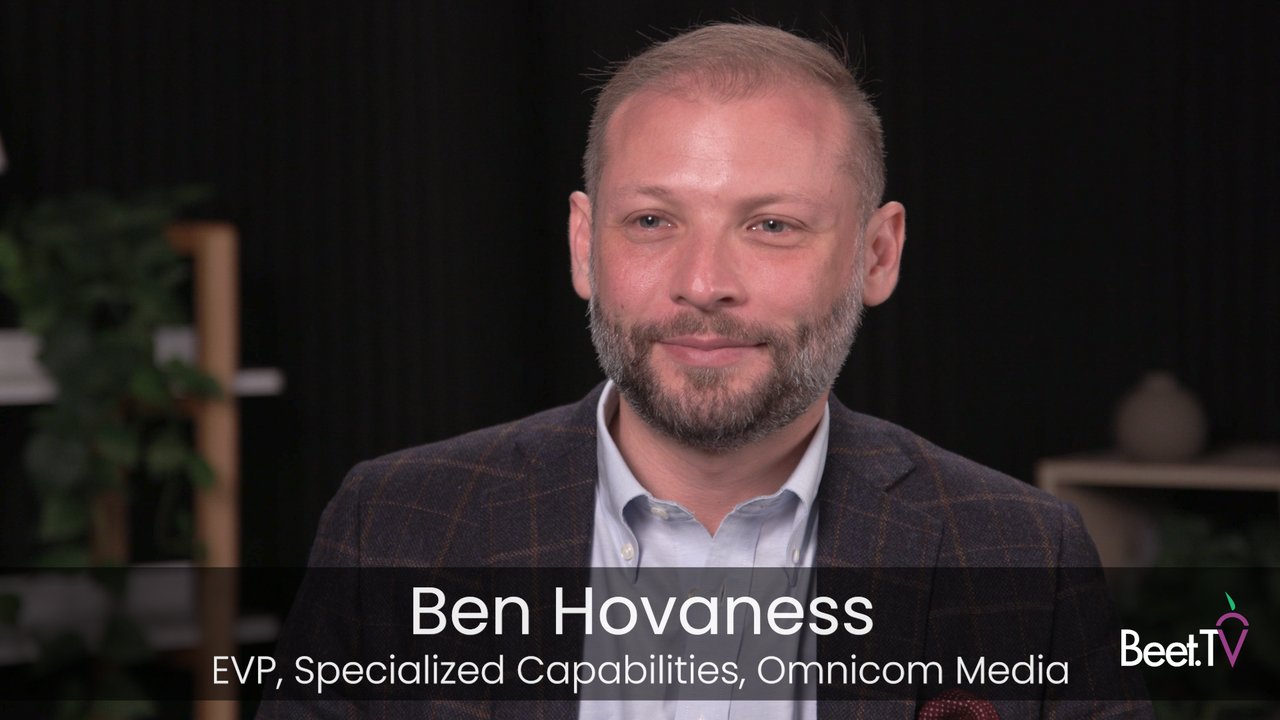


MIAMI — Traditional brand safety guidelines fail against artificial intelligence-generated content because existing tools and platforms cannot handle the volume and sophistication of machine-created material flooding digital environments.
“Brand safety rules, guidelines, everything that’s been broken out, has been designed for human authors. It’s all been designed for human creators,” Nico Greco, Channel Factory’s CRO, told Beet.TV contributor David Kaplan at POSSIBLE. “Now that there is this entire new influx coming in of AI generated content, none of these tools or anything was ever set up or established and designed to handle that level of inventory, that level of content.”
This reality forces brands to abandon existing safety frameworks and develop custom approaches that align with specific brand values rather than generic industry standards.
Suitability creates brand value beyond safety
Brand suitability has evolved from defensive positioning focused on avoiding wrong placements toward strategic advantage that drives performance through contextually appropriate environments.
“Being in front of the right places is actually not just about not being in front of the wrong places. It goes deeper than that and it really creates brand value,” Greco said. “If you can eliminate what is completely irrelevant, it’s going to give you more opportunity, more budget, more opportunity to really do what you wanted to do in the first place.”
This shift transforms safety from cost center toward revenue driver through improved campaign effectiveness.
Programmatic efficiency ignores brand identity
Algorithm optimization for efficiency metrics like cost and click-through rates overlooks brand values and identity considerations, requiring marketers to define deeper brand positioning before deploying automated systems.
“Any tool, platform, partner that I’m working with is always going to focus on that one thing, but there’s more to that. No brand is just a click-through rate,” Greco said. “We have to go deeper than that and understand what else matters to that brand. What is the right place? What’s the right environment?”
Better inputs from brand marketing strategy drive superior outputs across all automated optimization systems.
Signal quality determines AI success
Before implementing agentic AI systems, CMOs must establish proper signal foundations and brand identity frameworks because artificial intelligence learns from initial inputs to shape future decision-making patterns.
“You have to find the best signals before you can do anything else. If you have the proper signals in place, it’s going to train the AI models to continue to build and develop the way you want them to,” Greco said.
Poor signal quality creates compounding problems as AI systems learn incorrect patterns that widen strategic gaps over time.
“If you don’t have the right signals in place, “Greco said, “you’re going to be training all of your future AI tools on the wrong information and that’s going to learn and continue to build and create almost a wider strategy gap across the board.”
You’re watching “Automation to Accountability: How AI, Context, and Cross-Channel Behavior are Rewriting the Media Playbook,” a Beet.TV Leadership series at POSSIBLE 2026, presented by Channel Factory. For more videos from this summit, please visit this page.