

Roku Bets on Interoperability as CTV Moves From Reach to Accountability
As connected TV absorbs more linear television dollars, advertisers are demanding the same precision, measurement and frequency control they expect from digital channels.
That’s reshaping how platforms and agencies collaborate on data. For instance, clean rooms, once a compliance checkbox, are becoming operational infrastructure for planning, activation and proof of performance.
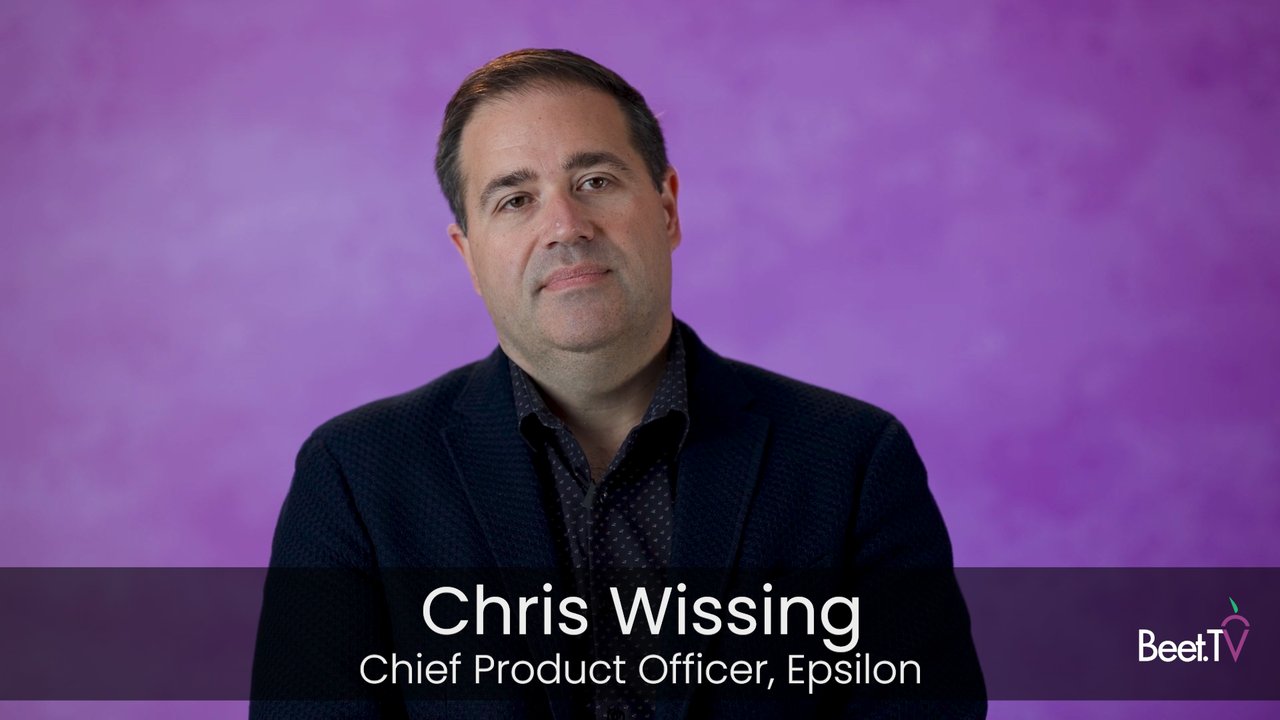
“TV is becoming more of a channel that is beyond reach,” said Miles Fisher, vp of global ad platform partnerships and business development at Roku, in this video interview with Beet.TV at the Beet.TV Leadership Summit with Omnicom Media. “We’re really focused on delivering the right message at the right moment to the right user.”
Clean rooms become planning tools
Roku’s latest iteration of its partnership with Omnicom connects the Roku Data Cloud to Omni, the agency’s planning and intelligence platform powered by Annalect. The integration is designed to bring streaming-specific audience data into the workflows Omnicom’s teams already use for campaign briefs, targeting and measurement.
“Our integration with Omnicom is really built on the Roku Data Cloud, which is clean room technology that allows us to share information with Omnicom directly in Omni,” Fisher said. “It allows people at Omnicom to ask the question about who the user is, do client briefs, better reporting, better measurement, and create better campaign efficacy.”
The move reflects a broader industry push toward privacy-safe data collaboration. The IAB Tech Lab’s data clean room standards have provided a framework, but the real test is whether these environments can support actual planning and activation at scale, rather than serving as post-campaign reporting tools.
Contextual targeting returns to TV
While audience targeting dominates digital advertising, television has historically been sold on context. Advertisers bought adjacency to specific programs, genres and moments. Streaming fragmented that model, but Fisher said Roku is working to restore content-level signals as a targeting lever.
“Context is another key way to reach the right consumer at the right moment,” he said. “Historically, TV was actually sold on context, and one of the things Roku has been really strong at is delivering audiences against content.”
Through a partnership with Iris.TV, Roku and Omnicom can use tune-in behavior as a proxy for consumer intent and outcomes. The integration addresses a persistent concern among buyers: Emarketer research has found that missing show-level data remains a top barrier to shifting linear budgets into CTV.
Cross-platform frequency management
At CES 2025, Roku, Omnicom and Amazon Marketing Cloud announced a collaboration to tackle frequency management across streaming platforms. Fisher said the partnership, which integrates Amazon Marketing Cloud with the Roku Data Cloud, was in closed beta during the second half of 2025.
“We have a number of advertisers that are coming on, and we’re hoping that we’ll be able to talk about some client proof points at CES this year,” Fisher said. “This is kind of a cascading series of partnerships that Roku has been doing really under this premise of interoperability.”
Frequency control has become a critical concern as advertisers spread budgets across multiple streaming services. Without cross-platform coordination, the same household can be bombarded with identical ads across Roku, Amazon and other platforms, wasting impressions and irritating viewers.
The human element persists
As AI and agentic systems dominate industry conversations, Fisher offered a counterpoint. While automation is reshaping media buying, he argued that television’s fundamental value proposition remains unchanged: reaching humans in lean-back entertainment moments.
“A lot of the platforms that are here talking to advertisers this week are talking about agentic-to-agentic commerce or teaching a website how to be crawlable for an agent,” Fisher said. “There are still no agents that’ll teach you how to watch Landman or whatever you want to watch on Roku or Netflix.”
Gartner predicts that by 2028, more than 70% of global ad spend will flow through self-serve platforms where AI materially influences buying decisions. But Fisher maintained that streaming’s human audience remains its differentiator.
“Most importantly, we’re able to change consumer perception still with television,” he said. “That human element isn’t going away when we talk about entertainment.”


As connected TV absorbs more linear television dollars, advertisers are demanding the same precision, measurement and frequency control they expect from digital channels.
That’s reshaping how platforms and agencies collaborate on data. For instance, clean rooms, once a compliance checkbox, are becoming operational infrastructure for planning, activation and proof of performance.
“TV is becoming more of a channel that is beyond reach,” said Miles Fisher, vp of global ad platform partnerships and business development at Roku, in this video interview with Beet.TV at the Beet.TV Leadership Summit with Omnicom Media. “We’re really focused on delivering the right message at the right moment to the right user.”
Clean rooms become planning tools
Roku’s latest iteration of its partnership with Omnicom connects the Roku Data Cloud to Omni, the agency’s planning and intelligence platform powered by Annalect. The integration is designed to bring streaming-specific audience data into the workflows Omnicom’s teams already use for campaign briefs, targeting and measurement.
“Our integration with Omnicom is really built on the Roku Data Cloud, which is clean room technology that allows us to share information with Omnicom directly in Omni,” Fisher said. “It allows people at Omnicom to ask the question about who the user is, do client briefs, better reporting, better measurement, and create better campaign efficacy.”
The move reflects a broader industry push toward privacy-safe data collaboration. The IAB Tech Lab’s data clean room standards have provided a framework, but the real test is whether these environments can support actual planning and activation at scale, rather than serving as post-campaign reporting tools.
Contextual targeting returns to TV
While audience targeting dominates digital advertising, television has historically been sold on context. Advertisers bought adjacency to specific programs, genres and moments. Streaming fragmented that model, but Fisher said Roku is working to restore content-level signals as a targeting lever.
“Context is another key way to reach the right consumer at the right moment,” he said. “Historically, TV was actually sold on context, and one of the things Roku has been really strong at is delivering audiences against content.”
Through a partnership with Iris.TV, Roku and Omnicom can use tune-in behavior as a proxy for consumer intent and outcomes. The integration addresses a persistent concern among buyers: Emarketer research has found that missing show-level data remains a top barrier to shifting linear budgets into CTV.
Cross-platform frequency management
At CES 2025, Roku, Omnicom and Amazon Marketing Cloud announced a collaboration to tackle frequency management across streaming platforms. Fisher said the partnership, which integrates Amazon Marketing Cloud with the Roku Data Cloud, was in closed beta during the second half of 2025.
“We have a number of advertisers that are coming on, and we’re hoping that we’ll be able to talk about some client proof points at CES this year,” Fisher said. “This is kind of a cascading series of partnerships that Roku has been doing really under this premise of interoperability.”
Frequency control has become a critical concern as advertisers spread budgets across multiple streaming services. Without cross-platform coordination, the same household can be bombarded with identical ads across Roku, Amazon and other platforms, wasting impressions and irritating viewers.
The human element persists
As AI and agentic systems dominate industry conversations, Fisher offered a counterpoint. While automation is reshaping media buying, he argued that television’s fundamental value proposition remains unchanged: reaching humans in lean-back entertainment moments.
“A lot of the platforms that are here talking to advertisers this week are talking about agentic-to-agentic commerce or teaching a website how to be crawlable for an agent,” Fisher said. “There are still no agents that’ll teach you how to watch Landman or whatever you want to watch on Roku or Netflix.”
Gartner predicts that by 2028, more than 70% of global ad spend will flow through self-serve platforms where AI materially influences buying decisions. But Fisher maintained that streaming’s human audience remains its differentiator.
“Most importantly, we’re able to change consumer perception still with television,” he said. “That human element isn’t going away when we talk about entertainment.”