Pause for Effect: Philo Bets on User-Initiated Ads as CTV’s Attention Antidote
AMENIA, NY — When a viewer hits pause, they’re making a deliberate choice. That moment of intentionality, it turns out, is exactly what advertisers have been missing in the relentless scroll of streaming video.
Philo, the virtual pay-TV and FAST platform, has built a growing business case around that single gesture. The company claims to be the first publisher to bring pause ads to market simultaneously via both programmatic and direct channels, and the results have been compelling enough to shape its broader ad product roadmap going forward.
“We really waited until there was sort of a critical mass in the industry and it felt like everyone was starting to coalesce around being able to deliver on pause ads programmatically,” said Aulden Kaye Yi, head of advertising partnerships at Philo, in this video interview with Beet.TV.
Programmatic from day one
The strategic patience paid off. Rather than launching pause ads as a bespoke, high-touch product, Philo engineered them to be standardized and scalable from the start, lowering the barrier for advertisers of all sizes.
“Advertisers can bring literally a JPEG or a static MP4 and get going,” Yi said. The simplicity is deliberate. By removing the custom implementation overhead that often accompanies new ad formats, Philo was able to broaden the pool of participating advertisers and scale inventory faster than a direct-only approach would have allowed.
Philo also has a structural quirk that amplifies pause ad inventory. As a virtual MVPD that incorporates FAST channels, the platform has enabled viewers to pause linear FAST streams, something Yi described as unique in the market. “That’s just created another moment and opportunity for audiences to pause and engage and also a broader sort of inventory pool for pause for us,” Yi said.
The attention economy argument
The format’s appeal isn’t just operational. It sits at the center of a broader industry debate about attention versus exposure, a conversation that has grown louder as streaming measurement evolves beyond simple impression counts.
Research Yi cited from Wunderkind found that pause ads generate nearly twice the attention of traditional video ads. That multiplier matters when brands are trying to demonstrate outcomes, not just reach. “It’s not only the impression but really the quality of that impression,” Yi said, adding that the halo effect of high-attention formats extends across the full funnel, from brand awareness and affinity through to lower-funnel conversion metrics.
Unlike a mid-roll ad that interrupts viewing, a pause ad arrives at a moment the viewer themselves created. Yi pointed to QR codes as a practical example of why that timing matters: “In a regular video stream, by the time you’ve realized that you need to get your phone, the moment has passed. Pause creates a moment of consideration.”
Audience signals and what comes next
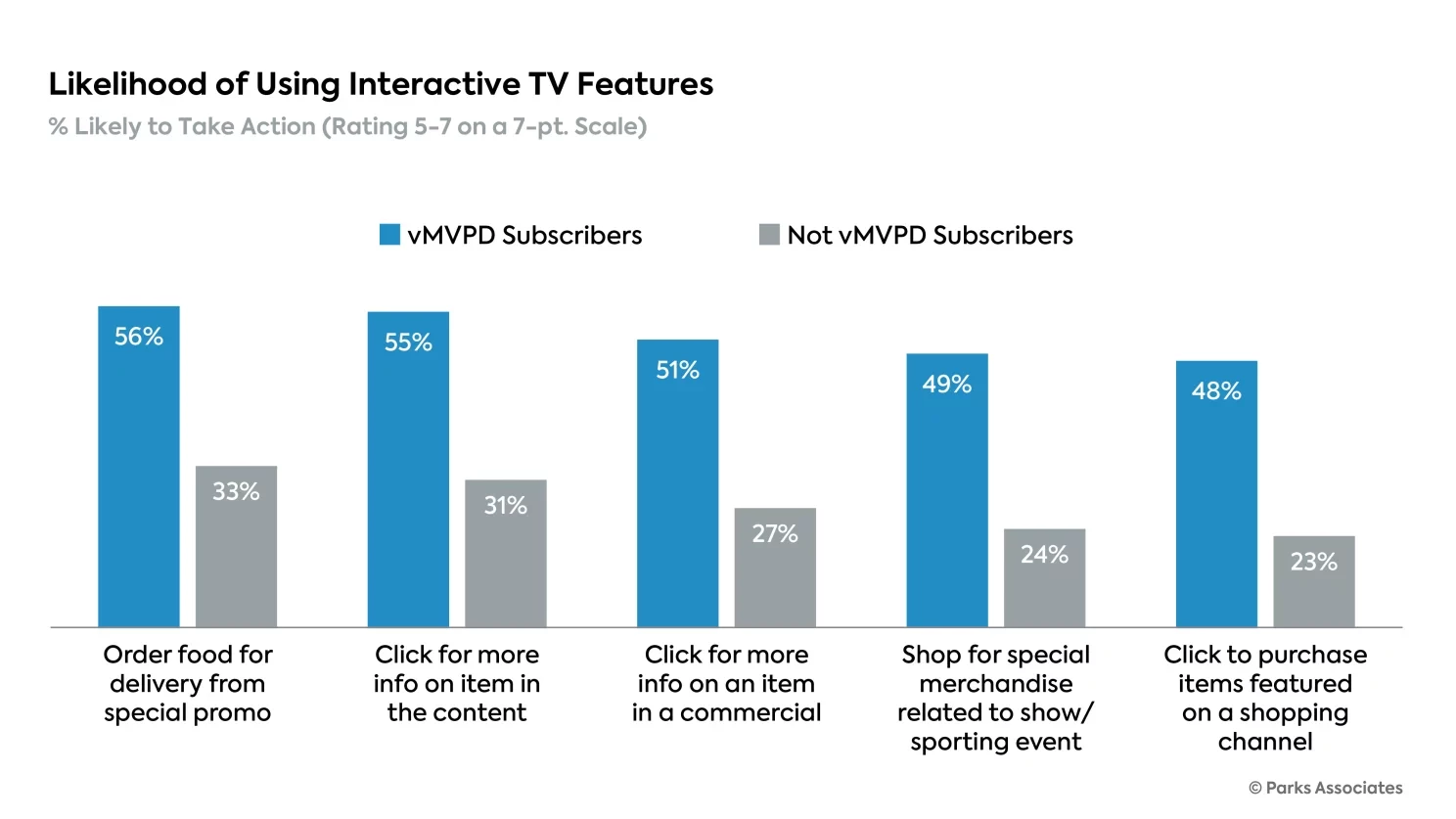
Philo’s confidence in the format is also grounded in audience research. A study the company conducted with Parks Associates found that virtual MVPD subscribers skew more digitally savvy and are more receptive to innovative ad formats than the average streaming viewer. Lifestyle content audiences, which make up a significant portion of Philo’s programming mix, also index higher for e-commerce intent.
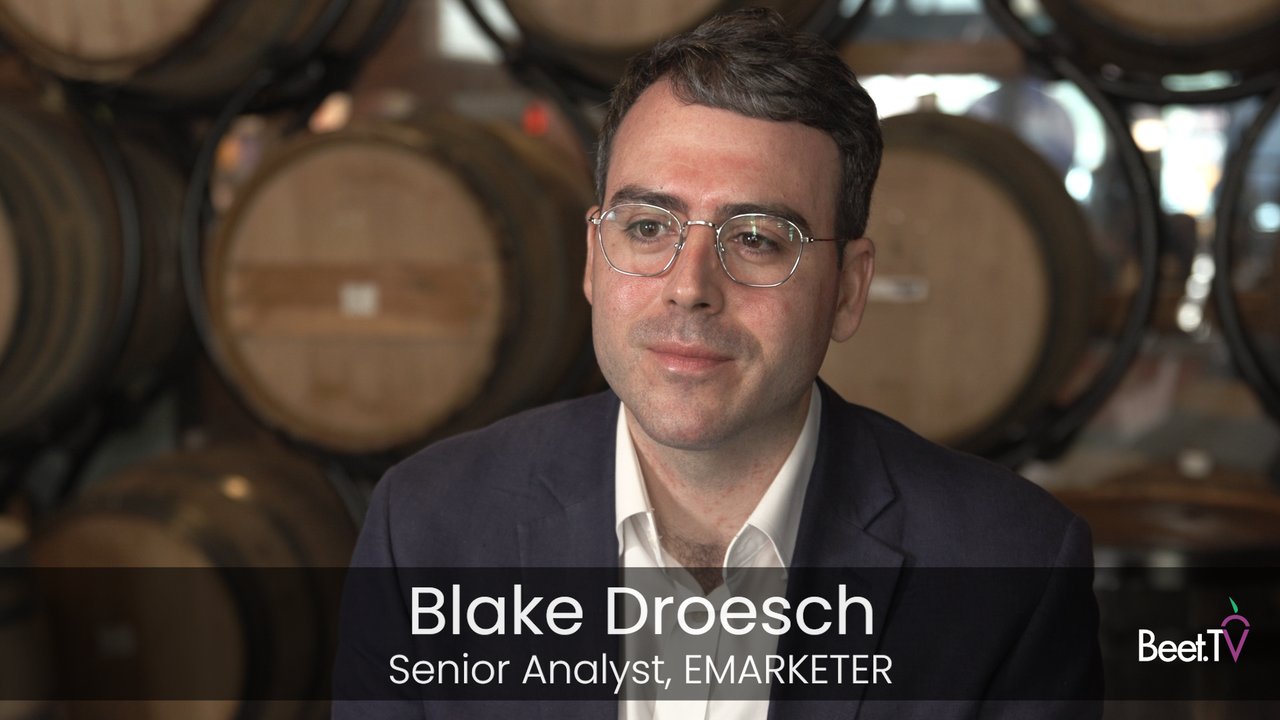
That audience profile dovetails with eMarketer research Yi referenced, which found that more than 60% of viewers prefer seeing a pause ad to a blank or frozen screen, a preference that grows stronger among younger demographics
“(It’s) kind of a unique thing for audiences to, you know, ask for more advertising,” Yi noted. “I don’t think that comes up necessarily all the time.”

AMENIA, NY — When a viewer hits pause, they’re making a deliberate choice. That moment of intentionality, it turns out, is exactly what advertisers have been missing in the relentless scroll of streaming video.
Philo, the virtual pay-TV and FAST platform, has built a growing business case around that single gesture. The company claims to be the first publisher to bring pause ads to market simultaneously via both programmatic and direct channels, and the results have been compelling enough to shape its broader ad product roadmap going forward.
“We really waited until there was sort of a critical mass in the industry and it felt like everyone was starting to coalesce around being able to deliver on pause ads programmatically,” said Aulden Kaye Yi, head of advertising partnerships at Philo, in this video interview with Beet.TV.
Programmatic from day one
The strategic patience paid off. Rather than launching pause ads as a bespoke, high-touch product, Philo engineered them to be standardized and scalable from the start, lowering the barrier for advertisers of all sizes.
“Advertisers can bring literally a JPEG or a static MP4 and get going,” Yi said. The simplicity is deliberate. By removing the custom implementation overhead that often accompanies new ad formats, Philo was able to broaden the pool of participating advertisers and scale inventory faster than a direct-only approach would have allowed.
Philo also has a structural quirk that amplifies pause ad inventory. As a virtual MVPD that incorporates FAST channels, the platform has enabled viewers to pause linear FAST streams, something Yi described as unique in the market. “That’s just created another moment and opportunity for audiences to pause and engage and also a broader sort of inventory pool for pause for us,” Yi said.
The attention economy argument
The format’s appeal isn’t just operational. It sits at the center of a broader industry debate about attention versus exposure, a conversation that has grown louder as streaming measurement evolves beyond simple impression counts.
Research Yi cited from Wunderkind found that pause ads generate nearly twice the attention of traditional video ads. That multiplier matters when brands are trying to demonstrate outcomes, not just reach. “It’s not only the impression but really the quality of that impression,” Yi said, adding that the halo effect of high-attention formats extends across the full funnel, from brand awareness and affinity through to lower-funnel conversion metrics.
Unlike a mid-roll ad that interrupts viewing, a pause ad arrives at a moment the viewer themselves created. Yi pointed to QR codes as a practical example of why that timing matters: “In a regular video stream, by the time you’ve realized that you need to get your phone, the moment has passed. Pause creates a moment of consideration.”
Audience signals and what comes next
Philo’s confidence in the format is also grounded in audience research. A study the company conducted with Parks Associates found that virtual MVPD subscribers skew more digitally savvy and are more receptive to innovative ad formats than the average streaming viewer. Lifestyle content audiences, which make up a significant portion of Philo’s programming mix, also index higher for e-commerce intent.
That audience profile dovetails with eMarketer research Yi referenced, which found that more than 60% of viewers prefer seeing a pause ad to a blank or frozen screen, a preference that grows stronger among younger demographics
“(It’s) kind of a unique thing for audiences to, you know, ask for more advertising,” Yi noted. “I don’t think that comes up necessarily all the time.”