


Upfronts Still Matter: Pooja Midha Explains Why TV’s Biggest Sales Tradition Isn’t Going Anywhere
NEW YORK – Despite years of predictions that the traditional TV upfront marketplace is on its way out, Pooja Midha, a longtime industry executive who is a board member of Combe and She Runs It, insists the upfronts remain not just relevant, but essential.
“For as long as I’ve been in the industry, people have asked, ‘why we still do the upfront?’” Midha said in this interview with Beet.TV contributor David Kaplan at a post-upfront leadership summit with Omnicom Media Group. “And it’s still incredibly relevant for three reasons: scarcity, performance and operational efficiency.”
According to Midha, high-attention, high-quality content — especially live, concurrent-viewing events like sports — continues to be in short supply. As long as that scarcity persists, she says, marketers will seek upfront deals to lock in access.
“It’s inventory that works and delivers results for advertisers,” she said. “And it’s still a more efficient way to transact than real-time buying.”
Shift to ‘audience-first’
While the upfronts have evolved, shifting from an “inventory-first” model to an “audience-first” one, Midha said the fundamentals remain. Marketers may now begin by asking who they want to reach — then work backward to find the best platforms and placements — but they’re still arriving at similar long-term commitments.
“There’s also more emphasis now on data, flexibility, and execution paths,” she said, pointing to the growing complexity of buying across both linear TV and streaming. “It’s not just about the content or price anymore.”
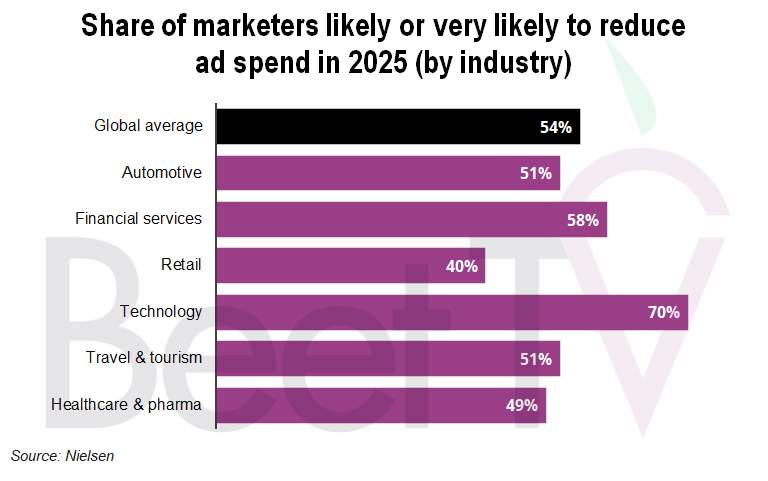
As media buyers contend with inflation, geopolitical instability, and fears of a potential recession, Midha notes there’s a growing temptation to over-index on bottom-funnel, performance-driven platforms. But she cautions against relying solely on easily measurable returns.
“Just because you can measure something, doesn’t mean it’s working,” she said. “If a pizza shop gives out free slices to people already walking in the door, did the coupon drive traffic or just give away revenue?”
Instead, Midha advises marketers to maintain balance between performance metrics and long-term brand building. She also emphasizes the importance of data integrity in targeting and measurement — urging advertisers to evaluate the quality and durability of their data signals over time.
Value of live moments
On the topic of scarcity in the streaming era, Midha argues that even in a world of endless bingeable content, live moments still hold unique value.
“Whether it’s an awards show or a major sports event, live, concurrent-viewing at scale is rare — and it’s incredibly powerful for brands,” she said.
As the boundaries between the traditional TV upfronts and digital “newfronts” blur, Midha sees this season as a “deal-making moment” rather than a rigid calendar fixture.
“It’s not about the format. It’s planning season, and companies are deciding where to place their bets,” she said.
Access for smaller budgets
One of the more surprising trends? The emergence of small and midsize businesses (SMBs) in the upfront conversation. Traditionally dominated by major brands, media companies are now courting SMBs as platforms like Shopify and Grubhub make advertising more accessible. For this shift to succeed, Midha outlines three essential needs: simplicity, measurable performance and accessible creative.
“The creative gap is real,” she said. “Great media targeting can’t overcome bad creative, or none at all. That’s where I think AI will unlock massive potential by enabling low-cost, high-quality creative generation at scale.”
As streaming, data, and automation reshape the landscape, Midha is optimistic the upfronts will continue — if not in the same form, then in spirit.
“Rights may fragment, players may change, but the competition for attention and performance will keep this market alive,” she said. “And besides, parties are fun.”
Mentors Can Play Key Role in Women’s Workplace Advancement: Effectv’s Pooja Midha
You’re watching “The 2025 TV Upfronts in Review: A Beet.TV Leadership Summit with Omnicom Media Group, Presented by Index Exchange and The Trade Desk.” For more videos from this summit, please visit this page.

NEW YORK – Despite years of predictions that the traditional TV upfront marketplace is on its way out, Pooja Midha, a longtime industry executive who is a board member of Combe and She Runs It, insists the upfronts remain not just relevant, but essential.
“For as long as I’ve been in the industry, people have asked, ‘why we still do the upfront?’” Midha said in this interview with Beet.TV contributor David Kaplan at a post-upfront leadership summit with Omnicom Media Group. “And it’s still incredibly relevant for three reasons: scarcity, performance and operational efficiency.”
According to Midha, high-attention, high-quality content — especially live, concurrent-viewing events like sports — continues to be in short supply. As long as that scarcity persists, she says, marketers will seek upfront deals to lock in access.
“It’s inventory that works and delivers results for advertisers,” she said. “And it’s still a more efficient way to transact than real-time buying.”
Shift to ‘audience-first’
While the upfronts have evolved, shifting from an “inventory-first” model to an “audience-first” one, Midha said the fundamentals remain. Marketers may now begin by asking who they want to reach — then work backward to find the best platforms and placements — but they’re still arriving at similar long-term commitments.
“There’s also more emphasis now on data, flexibility, and execution paths,” she said, pointing to the growing complexity of buying across both linear TV and streaming. “It’s not just about the content or price anymore.”
As media buyers contend with inflation, geopolitical instability, and fears of a potential recession, Midha notes there’s a growing temptation to over-index on bottom-funnel, performance-driven platforms. But she cautions against relying solely on easily measurable returns.
“Just because you can measure something, doesn’t mean it’s working,” she said. “If a pizza shop gives out free slices to people already walking in the door, did the coupon drive traffic or just give away revenue?”
Instead, Midha advises marketers to maintain balance between performance metrics and long-term brand building. She also emphasizes the importance of data integrity in targeting and measurement — urging advertisers to evaluate the quality and durability of their data signals over time.
Value of live moments
On the topic of scarcity in the streaming era, Midha argues that even in a world of endless bingeable content, live moments still hold unique value.
“Whether it’s an awards show or a major sports event, live, concurrent-viewing at scale is rare — and it’s incredibly powerful for brands,” she said.
As the boundaries between the traditional TV upfronts and digital “newfronts” blur, Midha sees this season as a “deal-making moment” rather than a rigid calendar fixture.
“It’s not about the format. It’s planning season, and companies are deciding where to place their bets,” she said.
Access for smaller budgets
One of the more surprising trends? The emergence of small and midsize businesses (SMBs) in the upfront conversation. Traditionally dominated by major brands, media companies are now courting SMBs as platforms like Shopify and Grubhub make advertising more accessible. For this shift to succeed, Midha outlines three essential needs: simplicity, measurable performance and accessible creative.
“The creative gap is real,” she said. “Great media targeting can’t overcome bad creative, or none at all. That’s where I think AI will unlock massive potential by enabling low-cost, high-quality creative generation at scale.”
As streaming, data, and automation reshape the landscape, Midha is optimistic the upfronts will continue — if not in the same form, then in spirit.
“Rights may fragment, players may change, but the competition for attention and performance will keep this market alive,” she said. “And besides, parties are fun.”
Mentors Can Play Key Role in Women’s Workplace Advancement: Effectv’s Pooja Midha
You’re watching “The 2025 TV Upfronts in Review: A Beet.TV Leadership Summit with Omnicom Media Group, Presented by Index Exchange and The Trade Desk.” For more videos from this summit, please visit this page.

Series Videos