AI, Personalization and News Are Redefining Marketing, but Fear Still Holds Brands Back: Lou Paskalis
CANNES – The marketing industry has finally reached the point where technology can deliver on its long-held promise of truly personalized experiences, but only if marketers are willing to let go of outdated, rigid playbooks. That was the message from Lou Paskalis, founder and chief executive of AJL Advisory, in a conversation with Beet.TV Editorial Director Lisa Granatstein at the Cannes Lions International Festival of Creativity.
“We’re finally at a point where technology has caught up with the aspiration of marketing when it comes to personalized experiences,” Paskalis said.
Thanks to advancements like agentic AI, large language models and interoperable data sets, brands now can understand consumer mindsets and motivations in near real time. They also can deliver messages that “break through, resonate and stop the thumb in the feed,” as he put it.
But that opportunity comes with a challenge: abandoning outdated, rules-based marketing models in favor of AI-orchestrated, omnichannel strategies.
“The question is, will marketers and their agencies have the courage to do so?” Paskalis said.
AI as a tool, not a threat
After a year of existential hand-wringing about AI’s impact on jobs, Paskalis believes the industry is finally ready to move past fear and embrace AI as a tool for efficiency and creativity.
“When the electric drill was invented, nobody thought the carpenter was going to lose their job,” he remarked. “Why do we fear the tool? We feared the tool because we didn’t understand its role in marketing.”
AI, he argued, enables marketers to reach highly targeted audiences, not just broad segments of millions, but precise groups like the 50,000 consumers actively shopping for shoes today. The result? Lower customer acquisition costs, higher efficiency and campaigns that genuinely resonate.
“Our CPM might go up, but our cost of customer acquisition comes way down,” he noted.
The promise and pitfalls of programmatic
Paskalis didn’t shy away from critiquing programmatic advertising, calling it “the worst thing that ever happened to advertising — and the only salvation of marketing.” Programmatic’s ability to deliver page-level data signals is invaluable, he said, but too often brands fail to adapt creative to the specific context of where ads appear.
“I really challenge marketers to say, are you tailoring your assets to page-level context? If not, why not?” he urged, warning that gaps in agency thinking, rigid teams, or outdated governance structures often hold brands back.
The business case for news
Despite ongoing concerns about brand safety, Paskalis remains a vocal advocate for investing in news environments, calling them one of the most effective and underutilized channels for marketers.
“There’s a very compelling business case to buy news,” he said, citing a recent Ad Fontes Media case study showing a major financial services brand saw a 70% reduction in customer acquisition costs and a 23% drop in CPM when advertising in news content.
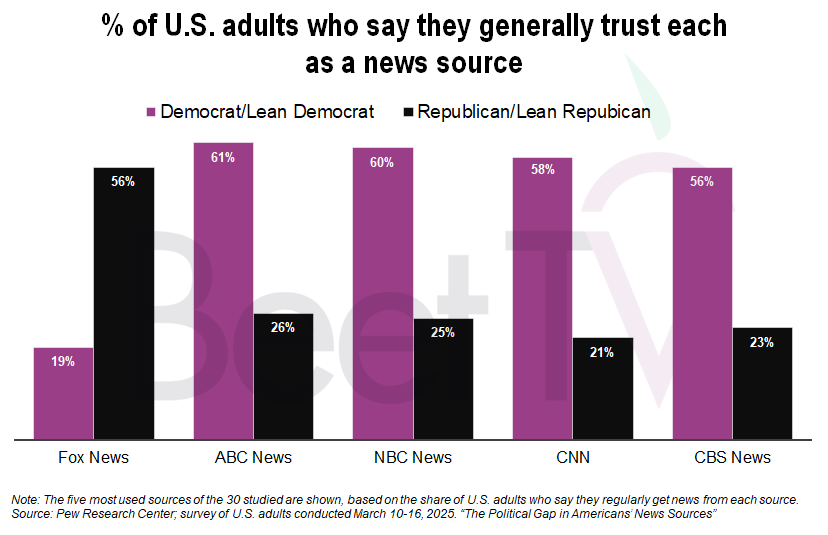
Many brands still avoid news due to misplaced fears about adjacency to negative headlines, but Paskalis pointed to research from Stagwell showing no decline in purchase intent when ads appear alongside unsettling or provocative content.
Beyond efficiency, he argued, news offers unduplicated reach — critical for maximizing campaign performance.
“We used to spend decades with reach tables to make sure we weren’t buying too much duplicated reach,” Paskalis said. “Now we can do that at the speed and scale of programmatic.”
The renaissance of news, if brands are ready
With global uncertainty driving demand for trusted information, news consumption is on the rise, especially among younger audiences.
“This is a renaissance for news,” Paskalis said. “Marketers are increasingly turning to it, but we still have those that are afraid to jump in.”
The takeaway for brands? Stop fearing the tools, whether AI, programmatic or premium news. And start leveraging them to deliver smarter, more relevant and more efficient marketing in a fragmented world.
You’re watching Beet.TV coverage from Cannes Lion 2025. For more videos from this series, please visit this page.
CANNES – The marketing industry has finally reached the point where technology can deliver on its long-held promise of truly personalized experiences, but only if marketers are willing to let go of outdated, rigid playbooks. That was the message from Lou Paskalis, founder and chief executive of AJL Advisory, in a conversation with Beet.TV Editorial Director Lisa Granatstein at the Cannes Lions International Festival of Creativity.
“We’re finally at a point where technology has caught up with the aspiration of marketing when it comes to personalized experiences,” Paskalis said.
Thanks to advancements like agentic AI, large language models and interoperable data sets, brands now can understand consumer mindsets and motivations in near real time. They also can deliver messages that “break through, resonate and stop the thumb in the feed,” as he put it.
But that opportunity comes with a challenge: abandoning outdated, rules-based marketing models in favor of AI-orchestrated, omnichannel strategies.
“The question is, will marketers and their agencies have the courage to do so?” Paskalis said.
AI as a tool, not a threat
After a year of existential hand-wringing about AI’s impact on jobs, Paskalis believes the industry is finally ready to move past fear and embrace AI as a tool for efficiency and creativity.
“When the electric drill was invented, nobody thought the carpenter was going to lose their job,” he remarked. “Why do we fear the tool? We feared the tool because we didn’t understand its role in marketing.”
AI, he argued, enables marketers to reach highly targeted audiences, not just broad segments of millions, but precise groups like the 50,000 consumers actively shopping for shoes today. The result? Lower customer acquisition costs, higher efficiency and campaigns that genuinely resonate.
“Our CPM might go up, but our cost of customer acquisition comes way down,” he noted.
The promise and pitfalls of programmatic
Paskalis didn’t shy away from critiquing programmatic advertising, calling it “the worst thing that ever happened to advertising — and the only salvation of marketing.” Programmatic’s ability to deliver page-level data signals is invaluable, he said, but too often brands fail to adapt creative to the specific context of where ads appear.
“I really challenge marketers to say, are you tailoring your assets to page-level context? If not, why not?” he urged, warning that gaps in agency thinking, rigid teams, or outdated governance structures often hold brands back.
The business case for news
Despite ongoing concerns about brand safety, Paskalis remains a vocal advocate for investing in news environments, calling them one of the most effective and underutilized channels for marketers.
“There’s a very compelling business case to buy news,” he said, citing a recent Ad Fontes Media case study showing a major financial services brand saw a 70% reduction in customer acquisition costs and a 23% drop in CPM when advertising in news content.
Many brands still avoid news due to misplaced fears about adjacency to negative headlines, but Paskalis pointed to research from Stagwell showing no decline in purchase intent when ads appear alongside unsettling or provocative content.
Beyond efficiency, he argued, news offers unduplicated reach — critical for maximizing campaign performance.
“We used to spend decades with reach tables to make sure we weren’t buying too much duplicated reach,” Paskalis said. “Now we can do that at the speed and scale of programmatic.”
The renaissance of news, if brands are ready
With global uncertainty driving demand for trusted information, news consumption is on the rise, especially among younger audiences.
“This is a renaissance for news,” Paskalis said. “Marketers are increasingly turning to it, but we still have those that are afraid to jump in.”
The takeaway for brands? Stop fearing the tools, whether AI, programmatic or premium news. And start leveraging them to deliver smarter, more relevant and more efficient marketing in a fragmented world.
You’re watching Beet.TV coverage from Cannes Lion 2025. For more videos from this series, please visit this page.

Series Videos